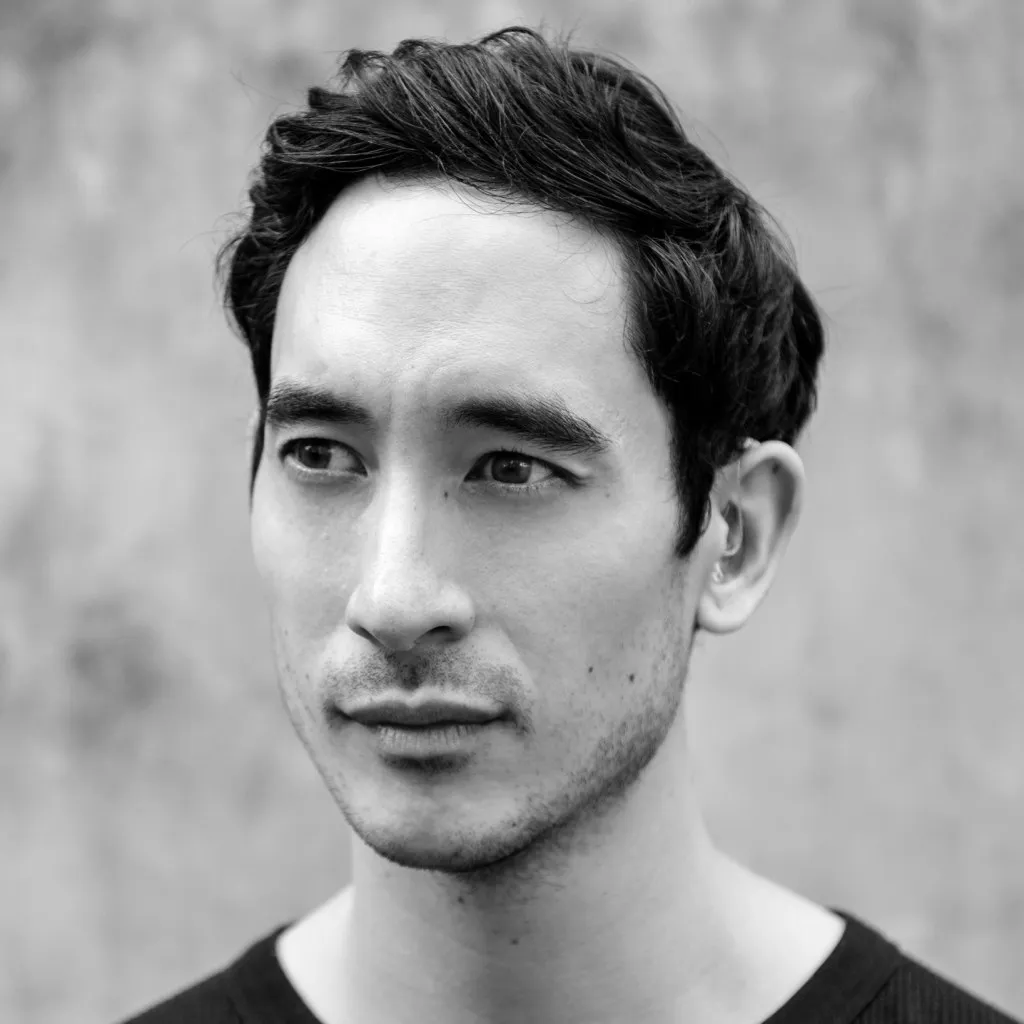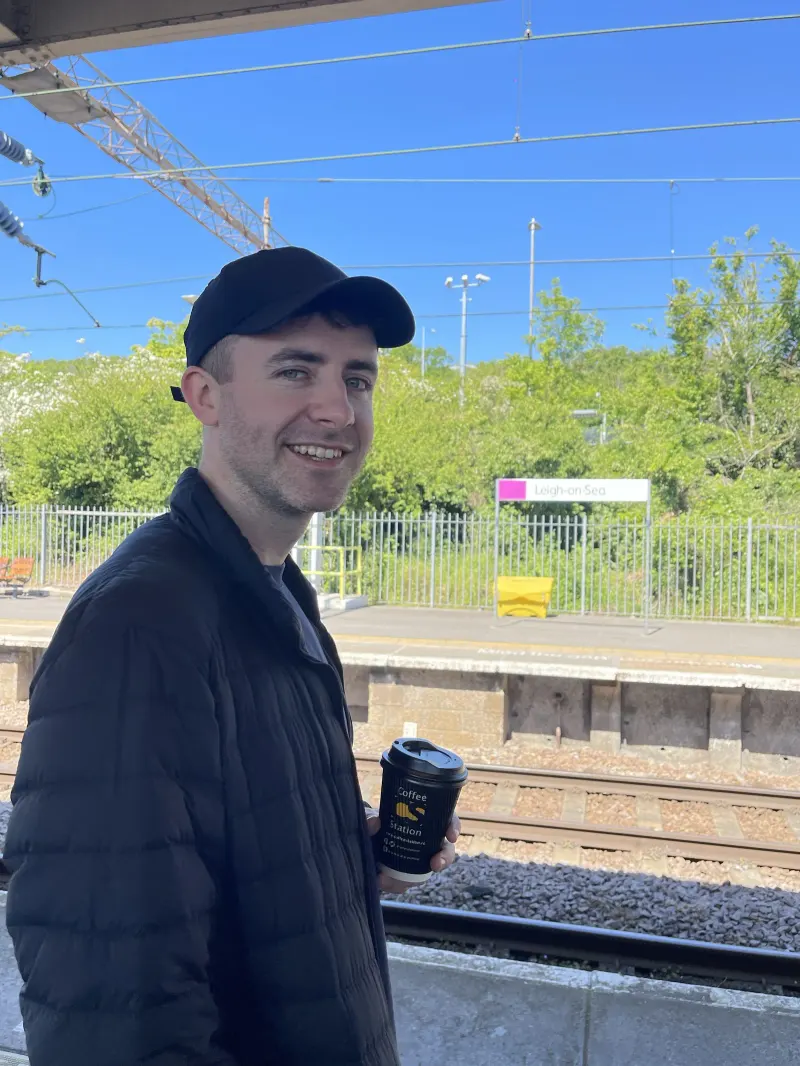
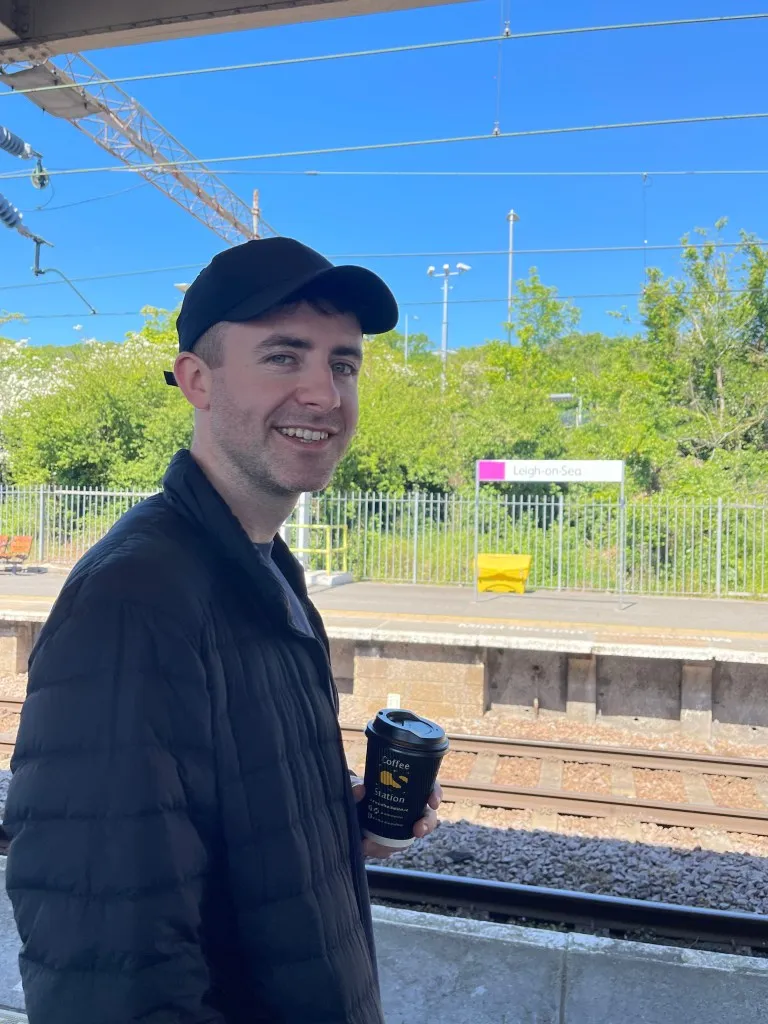
Chris Foley has set himself a challenge to improve his tone pronunciation, and achieve a standard Mandarin accent in time for his Chinese wedding ceremony. To reach his goals, he’s enlisted I’m Learning Mandarin founder, Mischa, as his language coach. He has been documenting his progress over a series of monthly blogs with recordings.
*Check out Chris’s experience at the I’m Learning Mandarin Gym in month 1, month 2 and month 3, months 4 and 5, month 6 and month 7.
A New Frontier: Tongue Positioning
Over the past two months our sessions have shifted focus from tones to consonant sounds that I have been mispronouncing for years. These are not the kind of mistakes that stop you from being understood, but they do mark you out as a learner. Words like xiāng and shāng or jiā and zhā sound deceptively similar, but the difference lies in tongue placement.
For English speakers, retroflex sounds such as zh, sh, ch are notoriously tricky. My tongue naturally defaults to positions shaped by English, which means I have been carrying ingrained habits into Mandarin without realising it. Mischa explained that learners from different language backgrounds often face their own version of this problem. Spanish speakers may find tones more natural but struggle with other distinctions. French speakers may find another set of sounds easier or harder. In every case, the learner’s first language quietly shapes their pronunciation of Chinese.
Exercises for Re-training
To tackle this issue, Mischa gave me targeted pronunciation drills. Unlike tone practice, which is about pitch and melody, these exercises require me to slow down and become conscious of the physical position of my tongue. Sometimes I exaggerate the movements, sometimes I repeat minimal pairs over and over, focusing only on the contrast. On other occasions, I try to build up from syllables into full words and then short phrases, always with an eye on tongue placement.
These exercises are surprisingly tiring. Holding the correct tongue position does not feel natural yet, so I have to keep reminding myself to adjust. In isolation, the difference is clear. I can hear myself improving, and Mischa confirms that the sounds are much closer to what they should be. But once I start speaking at a natural pace, the old habits creep back in. It is a reminder that pronunciation is not just a matter of knowledge, but of muscle memory.

The Ongoing Challenge
Much like with tones, the challenge is not producing the correct sound once. The real test is doing it consistently, without thinking, in everyday conversation. That is where the work of these two months has been concentrated. I find myself slipping into old habits during flow, then catching myself afterwards. At times it feels discouraging, but Mischa points out that this stage is part of the process. The fact that I notice the mistakes more readily is itself a sign of progress.
Over the two months I have also become more attuned to listening for these distinctions in the speech of others. When I watch Chinese media or listen to podcasts, I now pay closer attention to the tongue placement sounds. Sometimes I even pause to mimic a line back, which helps reinforce the drills from our lessons. It is slow progress, but it feels steady.
Looking Ahead
Months 8 and 9 have been less about dramatic leaps forward and more about slow, careful retraining. It is frustrating at times, but also reassuring. Every stage of this process builds on the last. Having seen how focused tone practice paid off, I trust that these new pronunciation drills will eventually reshape my habits as well.
The goal now is to keep at it until the correct tongue positioning feels as natural as the tone patterns I worked so hard to master earlier in the year. That will not happen overnight, but experience has taught me that patient repetition does add up. I am looking forward to the day when words like xiāng and shāng roll off the tongue with the same ease as the tones that once seemed impossible.
And of course, the bigger picture is still there in the background. My wedding ceremony in China is drawing closer, and with it the opportunity to put all this hard work into practice. That thought keeps me motivated. Each small gain in pronunciation brings me a step nearer to being able to speak confidently on a day that will mean so much to me and my family.