*This podcast is available on Apple, Spotify and Google
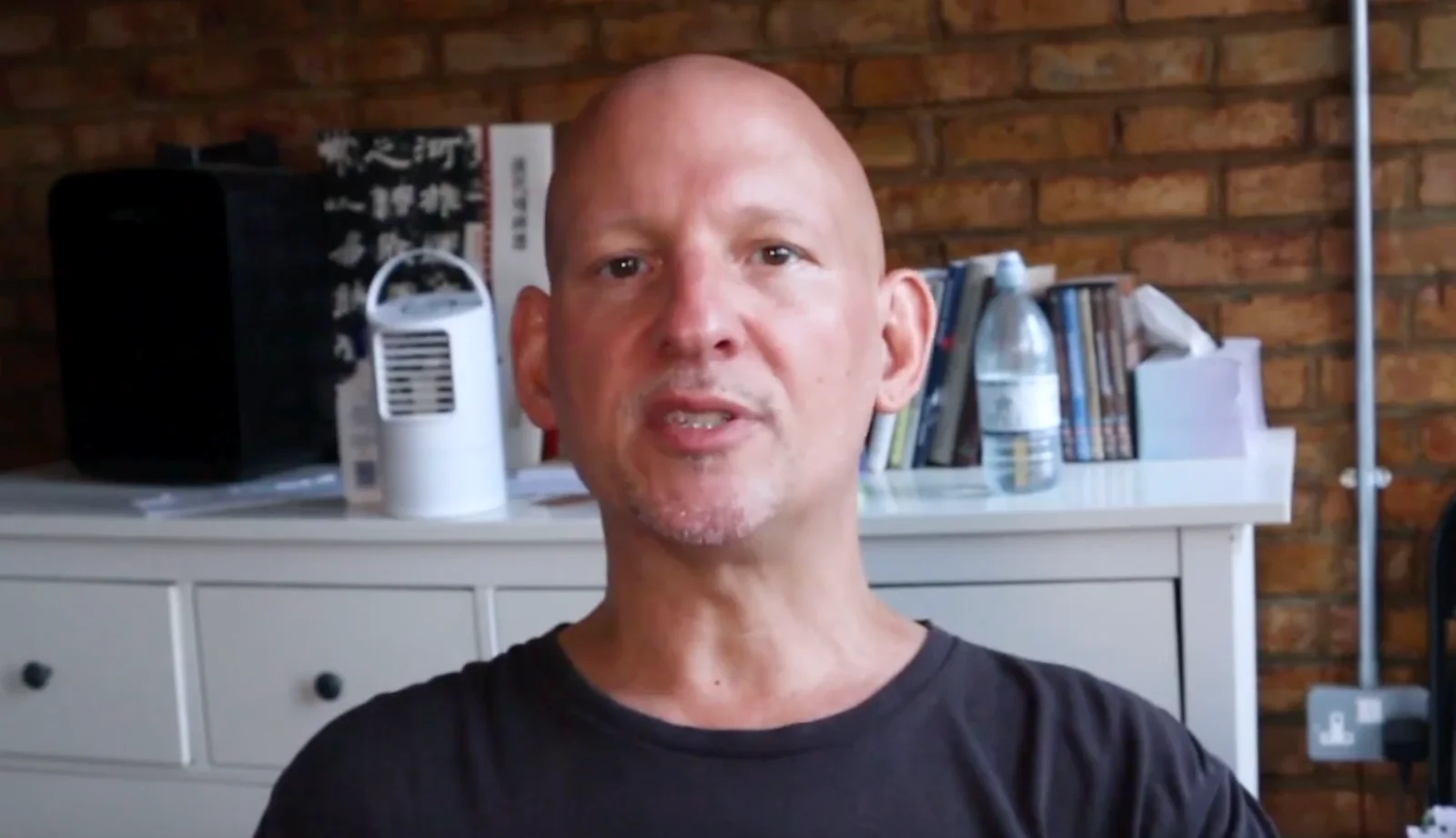
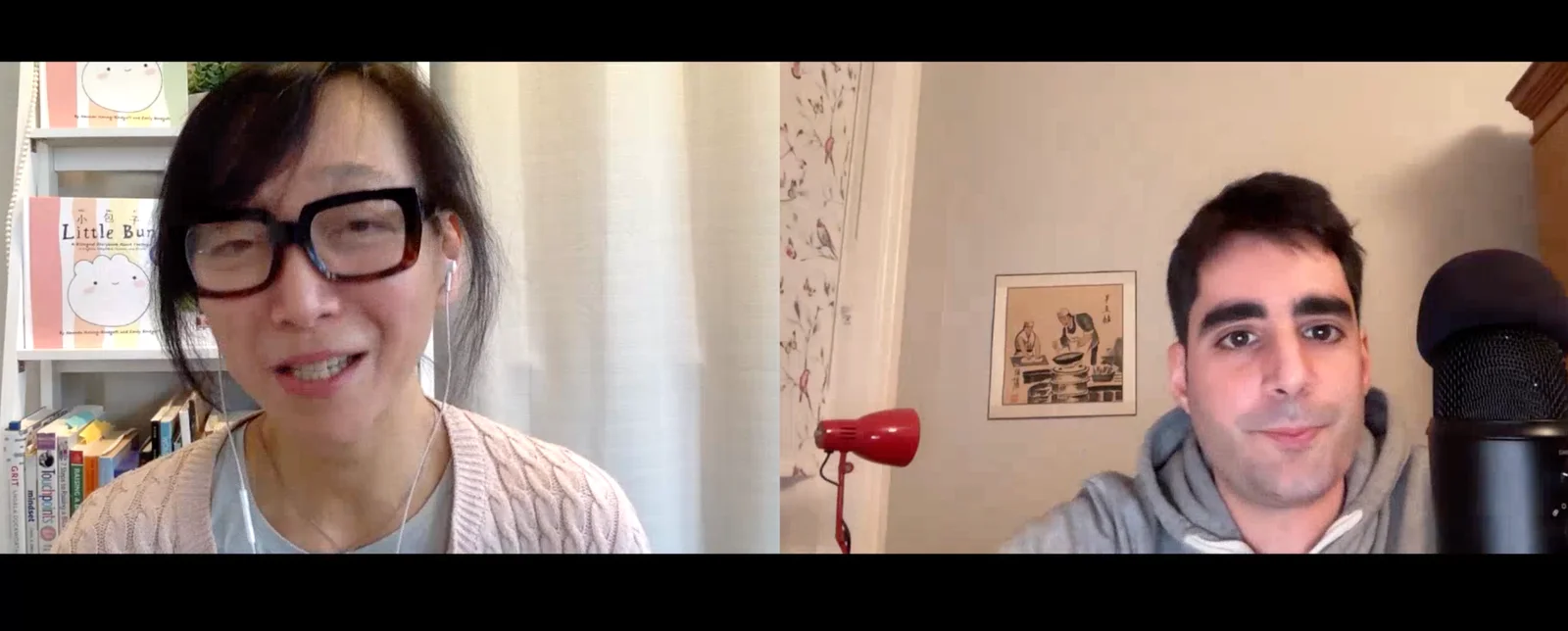
A few weeks ago, I received a message from an I’m Learning Mandarin listener from the US called Jered. Jered was responding to my callout inviting listeners to produce their own short podcast episodes in Chinese, with my support.
Jered is an accomplished technologist who recently moved to Taiwan to start a new venture. And he was keen to set himself the challenge of recording a podcast in Mandarin as a way of honing his speaking skills.
So in today’s episode, we’ll hear Jered talk all about his Mandarin learning experiences and explain how speaking from early on in his studies helped him make swift progress.
As usual, you can follow along with a Chinese transcript below. If you’re interested in recording your own short episode in Chinese, please get in touch at info@peakmandarin.com and I’ll be happy to support you through the development, production, and recording process.
Finally, if you like this podcast please don’t forget to leave a review or five-star rating on your preferred podcast provider.
Chinese Transcript
大家好,我是来自美国的哲睿,今年33岁,现在学中文一年半了。今天呢我想来聊一聊「早期输出」或是说早期的输出怎么可以让自己的中文变得流利,而不是障碍。那我们开始吧~
不管是为了旅游、工作或者是个人的原因,很多人学中文的最终目标,是为了跟母语者交流。不过呢,很多学中文的线上社区都在倡导一种极端的Comprehensible Input的学习方法,他们甚至认为应该等到你的阅读和听力水平到达很高的程度后,才开始说中文。但通常这个需要花好几年,所以……我觉得这个方法对我来说是没有用的,因为刚开始我在学中文的时候,就打算在8个月以后去台湾旅行,然后我的目标是能够在台湾旅行的时候用中文交流,所以那个时候,我需要在有限的时间内找到适合自己的学习方法。
可是很快发现,那些最成功的语言学习者,像是Will Hart、马思瑞,他们一开始不但没有避免用中文交流,反而更注重输出和发音。这是为什么呢?
好…我想先说一下为什么人们不敢练习输出,或者更具体地说,为什么我自己当时犹豫练习说中文。我觉得主要有两个原因:第一个是社交焦虑,就是我不想感受到尴尬或者不好意思;第二个是「fossilization」,可能有些人没听过这个词,它的意思是说,如果长时间说错的中文…然后时间久了,你会习惯这种方式,所以就会很难改掉。这就是为什么有人说不要太早说中文,不然你会一直带着很重的外国口音。
那怎么办呢?为什么有些人能成功地克服这些障碍呢?他们到底做了什么特殊的事情呢?
在克服社交焦虑这方面,我觉得需要创造一个让自己觉得可以放心犯错的环境。比如说Will Hart在英国大学认识了可以每天交流的中国朋友。然后马思瑞呢他自己去北京当留学生,也找到了中国朋友。而我呢?作为一个在高科技公司全职工作的人,用这样方法学中文是不可能的。但是,我找到了一个叫做HelloTalk的语言交换软体和我的家教帮我学习中文。
那么,用这个软体,我发现了一个可以安全又舒服地练习中文的环境,因为这个软体随时随地都可以使用,除此之外,还可以用匿名的网名,所以不用担心犯错的尴尬,因为如果犯错了,大不了就换名字。而且我想特别提到的一个功能是它的「语音房」,这个是直播的。然后这个功能超级有用,因为你不一定要一直聊天,有的时候可以听一下各式各样的中国口音,然后练习今天刚学到的生词的机会也很多。可是说实话,我自己一开始还是害怕和陌生人说话,但是我告诉你久而久之我的自信心慢慢地增加。所以我就觉得你也可以的!加油~
好,除了这个app之外,我也找了一个线上家教,对吧。我去iTalki,然后跟各种老师见面,最后我找到三个我喜欢,觉得不错的老师,但还是不知道应该选择谁。后来我的中国朋友给了一些我觉得特别有帮助的建议,他问我说「哪一个让你最舒服?因为最重要的是老师让你喜欢说中文。」对,我觉得他说得对,因为最终,我选择的老师她非常有耐心,一直在鼓励我多用中文表达自己的想法,而且我们上课的时候比较像聊天,而不是课本对话。那这样确实让我更喜欢说中文。那重点是你们得小心那些太严格的老师哦~
接下来,怎么防止不好的说话习惯?这里我倒觉得早期输出本身并不是不好的,不好的是长时间没有反馈,所以只要你有适当的反馈,我觉得没什么问题了。而且我觉得反馈有两个方面,一个是自己向自己学习,另一个就是向母语者学习。
那向自己学习的反馈,就是在你听自己的表现、发现错误的时候,要自己纠正自己。这方面非常地重要,因为是在语言学习过程中大多数反馈的来源。我觉得最有用的练习方法是Karen Chung教授的「回音法」,就是录音模仿vlog或podcast中的短对话片段,然后回听,找出所有的不同地方。
好,向母语者学习的反馈,它是大部分的人能想到的反馈类型。这个确实超级重要。重要的是得到对声调、发音和语法的纠正。我自己觉得最成功的学习方法是建立一个可以经常快速收到反馈的系统。所以对我来说,这包括每周和家教上课,然后透过HelloTalk认识的朋友进行随意聊天,还有常常用ChatGPT检查语法,然后一些一定主题的线上课程。
好总之,我觉得虽然Comprehensible Input是很必要的,但是早期练习输出同样重要,口语技能不只是要靠知识,还需要肌肉记忆,这需要时间来培养。所以最好早点开始。不要去想如果早期输出,你就是在犯一个错误,只要你使用以上提到的方法,反而能够更快速地掌握中文。然后记得错误也是学习过程的一部分,我们的目标并不是避免全部错误,而是能够发现错误,然后不能自己解决的时候,寻求帮助!
好,今天这集就到这里。希望大家多说中文~ 拜拜。
English Transcript
Hello everyone, I’m Zhe Rui (Jered) from the United States. I’m 33 years old and have been learning Chinese for a year and a half. Today, I want to talk about “early output” and how it can help make your Chinese fluent rather than becoming an obstacle. So, let’s get started!
Whether for travel, work, or personal reasons, many people learn Chinese with the ultimate goal of communicating with native speakers. However, many online Chinese learning communities advocate an extreme Comprehensible Input method, suggesting that you should wait until your reading and listening skills reach a high level before starting to speak Chinese.
But this usually takes several years. So, I haven’t found this method useful for me because when I started learning Chinese, I planned to travel to Taiwan in eight months, and my goal was to communicate in Chinese while traveling in Taiwan. So at that time, I needed to find a suitable learning method within a limited time.
I soon discovered that the most successful language learners, like Will Hart and Ma Si Rui, not only didn’t avoid using Chinese to communicate from the beginning but also focused more on output and pronunciation. Why is that?
Well, I want to first talk about why people are afraid to practice output, or more specifically, why I hesitated to practice speaking Chinese at that time. I think there are mainly two reasons: the first is social anxiety, meaning I didn’t want to feel embarrassed or shy; the second is “fossilization.”
Some people may not have heard this term; it means that if you speak incorrect Chinese for a long time, you will get used to this way of speaking over time, making it hard to correct. This is why some people advise against speaking Chinese too early; otherwise, you will always have a heavy foreign accent.
So what to do? Why are some people able to successfully overcome these obstacles? What did they do differently?
In terms of overcoming social anxiety, I think it’s important to create an environment where you feel safe making mistakes. For example, Will Hart met Chinese friends at his university in the UK and would communicate with them daily. Ma Sijui went to Beijing as an exchange student and also made Chinese friends.
But what about me? As someone working full-time at a high-tech company, it was impossible to learn Chinese this way. However, I found a language exchange app called HelloTalk and a tutor to help me learn Chinese.
With this app, I discovered a safe and comfortable environment to practice Chinese because it can be used anytime and anywhere. Besides, you can use an anonymous username, so you don’t have to worry about the embarrassment of making mistakes. If you make a mistake, you can simply change your name.
Moreover, I want to mention a feature of the app called “voice rooms.” This is a live broadcast feature, and it’s super useful because you don’t have to chat all the time. Sometimes you can just listen to various Chinese accents and get many opportunities to practice new words you learned today. Honestly, at first, I was still afraid to talk to strangers. But over time, my confidence gradually increased. So I think you can do it too! Keep it up!
In addition to this app, I also found an online tutor. I used iTalki and met various teachers until I found three teachers I liked and thought were good, but I still didn’t know which one to choose. Later, my Chinese friend gave me some particularly helpful advice. He asked me, “Which one makes you most comfortable? Because the most important thing is that the teacher makes you enjoy speaking Chinese.”
Yes, I think he was right. In the end, I chose a teacher who was very patient and always encouraged me to express my thoughts in Chinese. During our lessons, it felt more like chatting rather than textbook conversations. This made me enjoy speaking Chinese more. The key point is to be careful of teachers who are too strict!
Next, how to prevent bad speaking habits? Here, I think early output itself is not bad. What’s bad is the long-term lack of feedback. So as long as you have appropriate feedback, I think there’s no problem.
I think feedback has two aspects: one is learning from yourself, and the other is learning from native speakers. Self-learning feedback means when you listen to your own performance and find mistakes, you need to correct yourself. This aspect is very important because it is the source of most feedback during the language learning process.
I think the most useful practice method is Professor Karen Chung’s “echo method,” which involves recording and mimicking short dialogue segments from vlogs or podcasts, then listening back and finding all the differences.
As for feedback from native speakers, this is the type of feedback most people think of. This is indeed extremely important. It’s crucial to get corrections on tones, pronunciation, and grammar. I think the most successful learning method is to establish a system where you can regularly and quickly receive feedback.
For me, this includes weekly lessons with a tutor, casual chats with friends I met through HelloTalk, frequently using ChatGPT to check grammar, and some themed online courses.
In conclusion, although Comprehensible Input is very necessary, early practice of output is equally important. Speaking skills rely not only on knowledge but also on muscle memory, which takes time to develop. So it’s best to start early. Don’t think that early output means you are making a mistake.
As long as you use the methods mentioned above, you can master Chinese more quickly. Remember, making mistakes is also part of the learning process. Our goal is not to avoid all mistakes but to find and correct them. When you can’t solve them yourself, seek help!
Alright, that’s it for today. I hope everyone speaks more Chinese~ Bye-bye.