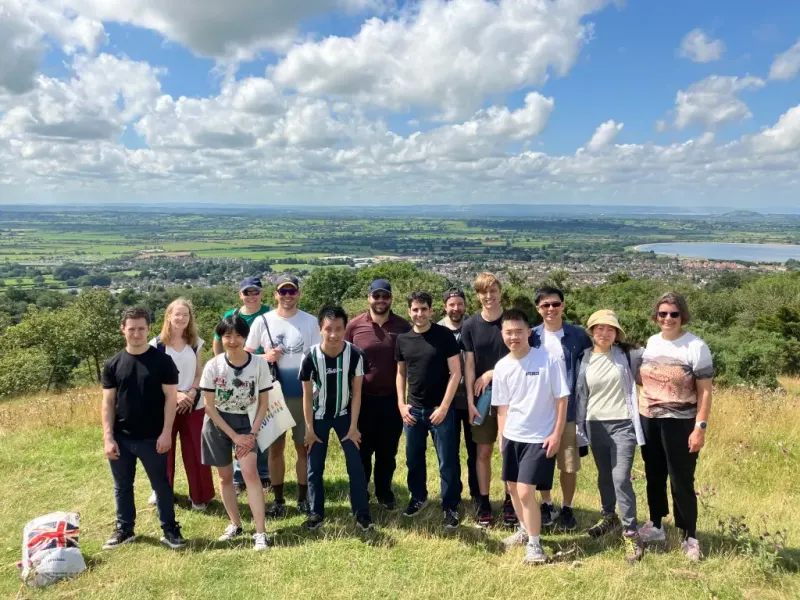
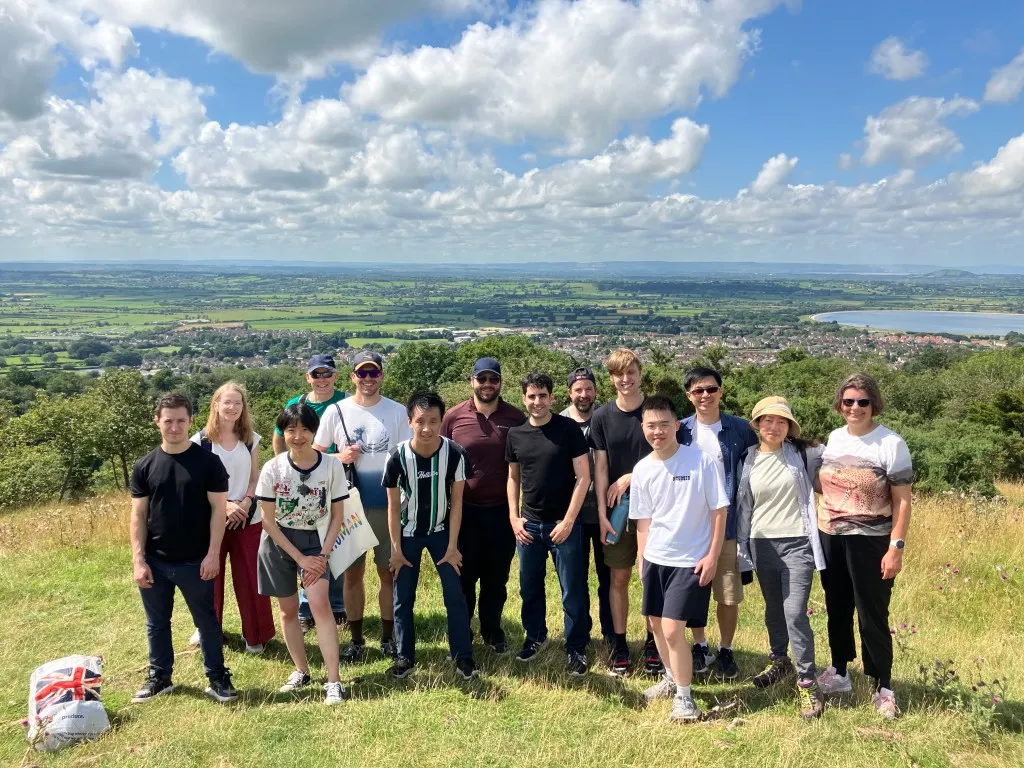
I’ve just returned from five glorious summer days in Cheddar, UK, where I was leading our annual Mandarin Retreat Summer Camp.
I began organising Mandarin learning retreats around two years ago after becoming frustrated at the lack of immersion opportunities while studying Mandarin in the UK. Since then we’ve organised 10 retreats and given nearly 100 learners from all over Europe the chance to taste full Mandarin-speaking immersion.
Initially, these retreats took place over weekends. Native speakers and learners lived under the same roof for two days of cultural activities, cooking, and hiking together, all in Mandarin Chinese.
Then, last year, we organised our first-ever five-day Summer Camp in Wales. The trip was, by all accounts, a great success - though sadly I couldn’t attend as I was living in Taiwan at the time.
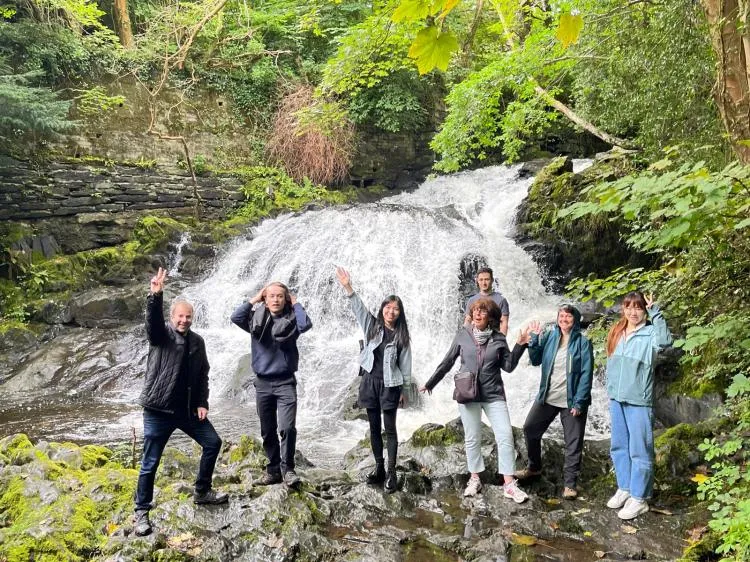
This year we followed it up with our second Summer Camp in Cheddar, south-west England, for what would be my first experience of five days completely immersed in the Mandarin language.
Although I lived in Taiwan for a year and attended advanced Chinese classes on a daily basis there, I didn’t live with a Chinese family and my days were usually spent using a mixture of English and Mandarin to socialise.
Naturally, I couldn’t wait for the event to start!
Alltogether there were 14 of us on the camp. A perfect mix of learners of various levels and native Chinese speakers.
In this blog post, I’ll reveal what the experience was like and give five of my key takeaways from the trip.
1. There is No Substitute For Real Life Immersion
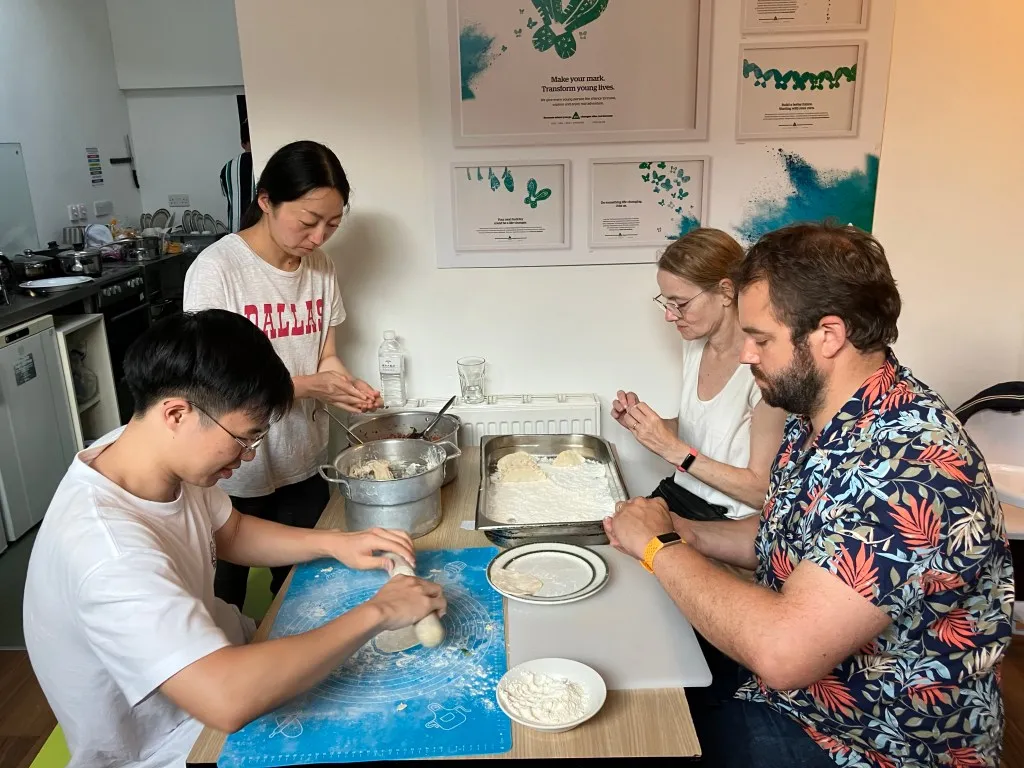
After everyone arrived on the first evening, we did some icebreaker activities to get to know each other better. So far so good. Then, it was time to prepare our evening meal - which I shared responsibility for. Despite clocking up thousands of hours of listening time over the years, I have limited experience of using Mandarin when cooking, so found myself floundering around for keywords and expressions. Simple things like 把火调大 (turn the hob up) or words like 削皮器 (potato peeler) eluded me.
When it comes to reacting to your environment in authentic Chinese I’ve found that passive immersion in podcasts and TV shows is not enough. Much common language connected to driving, household chores, cooking, hiking, and other activities can really only be learned by doing. Five days of being forced to use Chinese to complete everyday tasks enabled me to build up a useful bank of phrases and vocabulary related to those activities. This newly acquired language stuck easily because it was tied to real-life experiences and memories that will never leave me.
2. Teaching is the Best Way of Learning
As a leading organiser of the Summer Camp with advanced-level Chinese, I was in a position to support other learners whose levels ranged from elementary to higher intermediate. I’ve often found that one of the best ways to make sure Mandarin vocabulary and phrases stick in your long-term memory is to use it as often as possible and I used this technique to my advantage on the camp.
Each time I learned a new piece of vocabulary, for example, 速溶咖啡 (instant coffee) I would look for opportunities to teach it to other learners who were keen to learn. Those learners would in turn go on to teach it to other learners, thereby reinforcing the words and phrases and learning them more effectively.
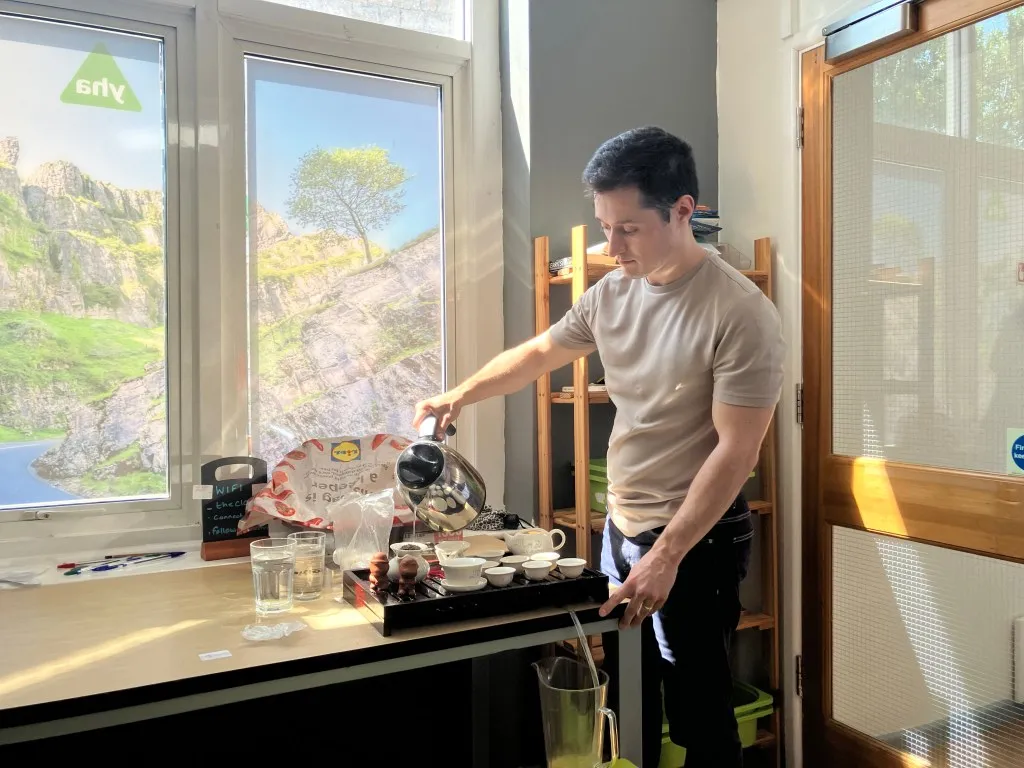
3. Idyllic Countryside Is the Best Classroom
It is well known you’re more likely to learn when you’re enjoying yourself and feeling relaxed than when under pressure. This is one of the many reasons why I’ve been critical in the past of traditional classroom learning structured around exams.
On the camp, we spent much of our time doing two of my favourite things - hiking in the idyllic Somerset countryside and learning Chinese. As a result, we were able to, as they say in Chinese, 一举两得(kill two birds with one stone). Whenever there was a species of bird or a tree I wasn’t sure how to say in Chinese, there was always a native speaker on hand to teach me how to say it. I felt I learned more while doing these activities than in any classroom I’ve ever set foot in.
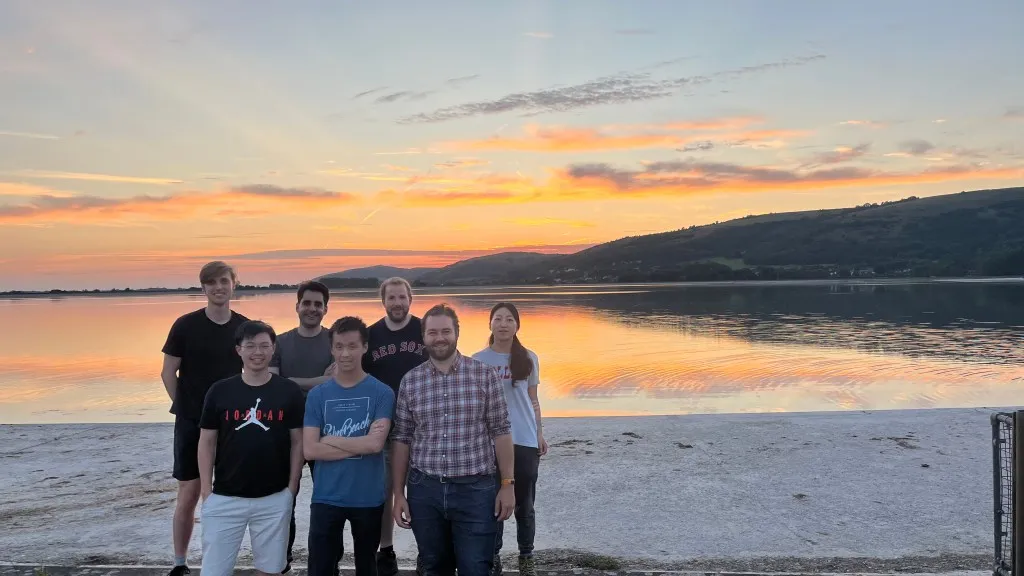
4. Culture is Just as Important as Language
On the Camp, we were very fortunate to be joined by a team of volunteers who are highly knowledgeable about Chinese history and willing to share their knowledge with us.
In particular, two medicine students from National Taiwan University, Bo Feng and Merlin delivered three fascinating sessions on the history of China, Chinese Medicine and Go! (the board game). Merlin is himself a national Go! champion and had many of us hooked on the game by the end of the retreat!
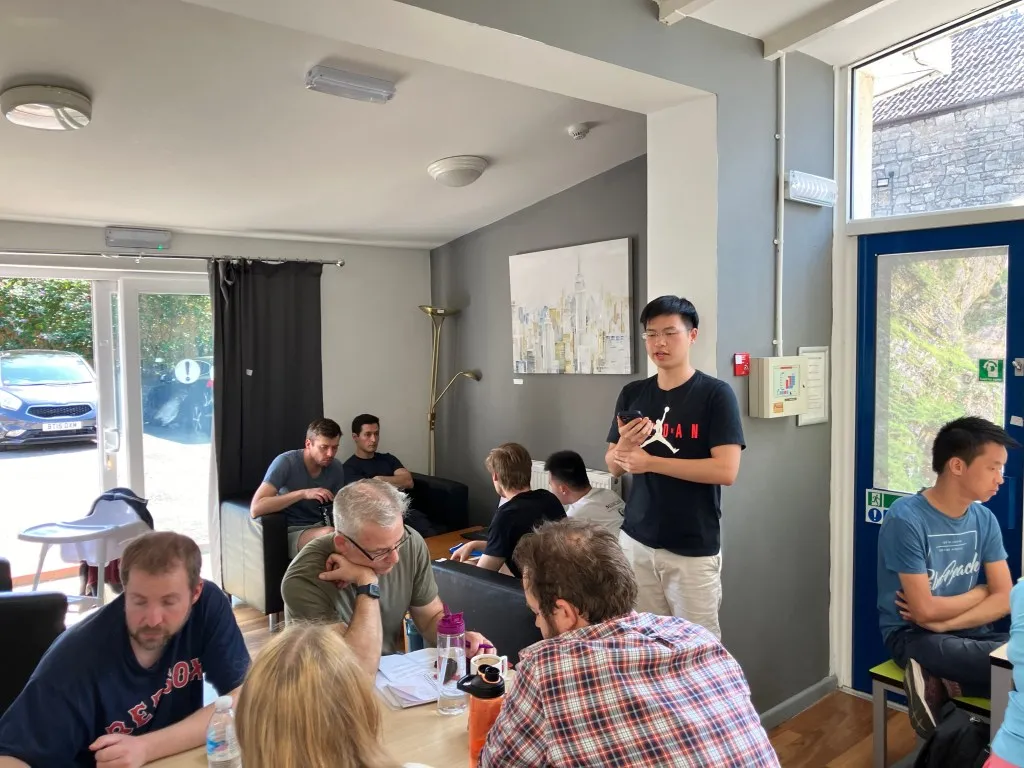
5. By the Second Night I Began Dreaming in Chinese
A few years ago, when I was studying Chinese very intensively during lockdown, I had my first experience of dreaming in Chinese. I blogged about this experience shortly after. Since then, it has happened occasionally, though not often. By the second night of the camp, after spending nearly 48 hours completely immersed in Mandarin, it happened again.
I can’t recall the details of the dream, only that I was interacting with native speakers in Mandarin. As I’ve written about elsewhere, studies have shown dreaming in your target language is strongly correlated with swifter progress. It’s a sign that your brain and internal monologue have switched into Chinese mode, enabling you to think and operate entirely in the language.

Bring on the Next Camp!
The worst part about the camp was that it had to end. Five days of immersion, sharing amazing experiences with wonderful company, is enough to learn an awful lot. But it’s also enough to make you realise how much there is left to learn!
That’s why the Mandarin Retreat team and I have ambitious goals for the future. We want to go bigger, enabling more learners to have immersive experiences for even longer periods of time.