


The history of Chinese attitudes to Mandarin speaking foreigners – I'm Learning Mandarin
*This podcast is available on Apple, Spotify and Google
Two weeks ago I announced my plans to open up the I’m Learning Mandarin podcast to you, offering you the chance to record your own podcast episodes in Chinese to be broadcast on I’m Learning Mandarin.
And since then several of you have been in contact with ideas to record your own short monologues in Mandarin. So over the next few months, I’ll be giving up the spotlight to you, broadcasting your stories in your own words.
Most of the people who have been in touch so far have been advanced learners, which is great. But I’d also like to hear from intermediate and elementary learners.
Remember, recording an episode in Chinese doesn’t have to be something you do immediately. It can be a longer-term goal that you work towards over several months or even a year.
Back in December 2021, I posted my New Year’s resolution to record a podcast episode in Chinese before the end of the following year.
After 10 months of hard work, I finally achieved my goal of recording my first podcast in Mandarin. And making that initial commitment was possibly the single best Chinese learning decision I made.
It provided the impetus I needed to take my speaking skills to the next level.
So if you’re interested in having a go, get in touch at info@peakmandarin.com and I’ll be happy to support you develop your idea.
Now on to the topic of today’s Chinese episode.
Today’s Episode
In today’s episode, I talk about the recent history of Chinese attitudes towards foreigners speaking Mandarin and how this differs from the English-speaking world.
It’s always struck me that the way Chinese people react to foreigners speaking their language can have a major impact on our learning journey.
On the one hand, it feels nice to be showered with praised as a beginner for saying a few basic words.
But on the other hand, this can get old quickly. And the culture of treating foreign Chinese speaking as an entertainment spectacle, with international Chinese speaking competitions broadcast on TV to a whole nation can seem odd for learners who’ve never encountered it before.
So today I discuss the origins of these attitudes and the reasons why Chinese people tend to react the way they do when they hear non-native speakers speak Mandarin.
Chinese Transcript
如果我问你,“你觉得世界上英文讲得最厉害的外国人是谁呢”, 你怎么反应?。 你可能从来没有考虑过这个问题,觉得有些奇怪,甚至觉得这个问题本身没什么意义。
因为毕竟英文是一种国际语言,我自己也认识不少英文讲得比我好多的非母语者。所以我听到外国人讲流利的英文的时候,觉得理所当然,很常见,也没什么大不了。
但谈到中文,无论是中国人还是学中文的人,大家都想辩论: 中文最流利的外国人到底是谁? 。
你可以在油管上搜索 fluent Chinese 这两个词,就会发现大部分视频的标题都涉及到这个问题。比如,”这个外国人中文讲得是历史上最棒的。” 或者 “这个白人中文讲得真完美。”
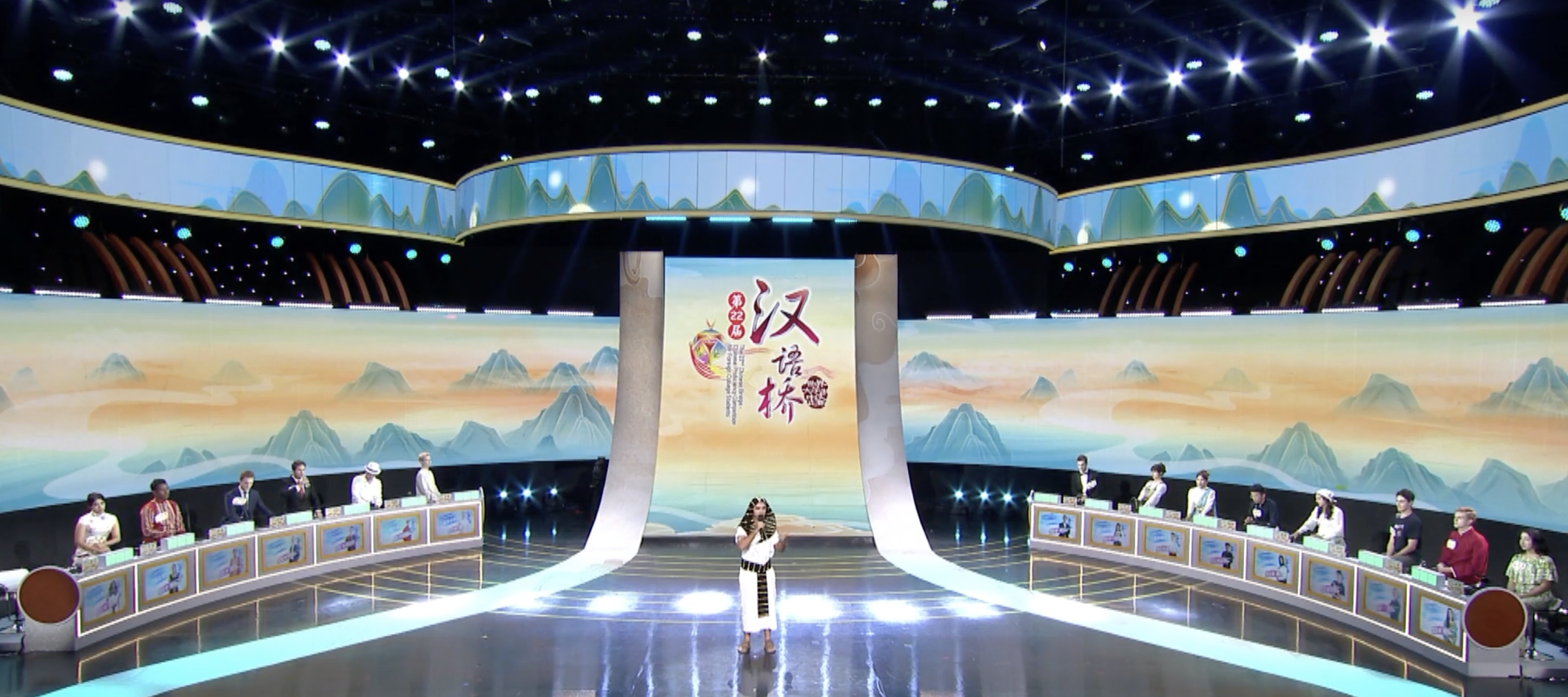
另外,中文比赛的视频也很受欢迎, 最有名的可能是听众们都知道的那个汉语桥。比赛中,来自各种国家的外国人都竞争着想成为冠军。
所以最近我在思考这个问题: 为什么中文成了一场比赛,而在许多人眼里,讲中文的外国人成了比赛中的运动员呢?
那首先我们从历史[角度]来分析这个问题。
二十世纪前,因为政治和贸易封闭的原因,中国人都没法接触什么外国人,更别说接触中文讲得流利的外国人。
但八十年代以来,中国开放后,越来越多西方人开始去中国旅游,留学,生活等等。
大部分的这些外国人,除了’你好’和’再见’以外,一点中文都不会说。
所以“老外都学不会中文”和“中文是世界上最难学的语言” 这两种想法变得很普遍。
当然,并不是所有外国人都学不会中文。对于许多七零后和八零后的中国人来说,中文讲得最棒的外国人肯定是大山。
大山是来自加拿大的一个喜剧演员,八十年代的时候他在北京大学留过学,然后参加过几个电视节目,用中文表演。
那时候大山的中文虽然没那么流利,但因为那是很多观众们第一次看到一个外国人用正确的发音来讲中文, 所以他们很吃惊。
大山就突然成了整个中国的明星。 而过去的“外国人都学不会中文”这个概念变成了“除了大山之外外国人都学不会中文。“
二零零二年,为了鼓励更多外国人来中国留学,中外语言交流合作中心, 也就是汉办,举办了历史上第一个汉语桥。几十个留学参加了比赛,做了演讲, 脱口秀,喜剧表演等等。
从那时候起,汉办每一年都会举办一次汉语桥。中国人都可以在电视上看到比赛中的外国人嘻嘻哈哈地献上莫名其妙的表演。
中文如此便成了一场比赛。
过去的二十年里,上千外国人学会了中文,其中的一些外国人升至超过了一般母语者的中文水平。
现在中文像英文一样,已经成了一种国际语言。但这好像没影响到一般中国人对于外国人的刻板印象。
不知道听众们有没有遇到过这样的一个场景。当你用汉语跟一个中国人打招呼的时候, 对方突然表现得很吃惊,说:“哇塞,你的中文这么这么好!”
在这个时候你可能会想,“诶,我说了什么话能让他觉得我的中文很好。我刚才说的话不都是最基本的中文吗。”
那中国人为什么会如此反应? 其实有两个原因。
第一个原因是,虽然会讲中文的外国人很多,但在人口中,我们仍然占据很小的比例。所以一般中国人还没接触过讲中文的外国人。 他们周围的人之中,没有什么会讲中文的外国人。
因此, 很多人错误地坚持认为,除了比赛中的留学生,一般外国人都学不会中文。
所以他们对我们的要求很低, 会觉得你作为一个外国人中文水平已经足够好。
第二个原因是因为中国教育很重视与外国人保持礼貌。中国人从小都被教育,要把外国人到作客人。所以无论你的中文水平有多低,很多人还是会本能地想鼓励你。 但这, 只是客套话而已。
好的,我们说到这。 如果你喜欢我的内容的话你可以给我一个review,你也可以用谷歌Spotify和 苹果订阅我的博客。
下期间!
English Transcript
If I were to ask you, “Who do you think is the most proficient non-native English speaker in the world?” how would you react? You might have never considered this question, find it a bit odd, or even think the question itself is meaningless.
After all, English is an international language. There are fluent English speakers from every corner of the world. I myself know many non-native speakers who speak English much better than I do. So when I hear a foreigner speak fluent English, it seems normal and not a big deal at all.
But when it comes to Mandarin, whether it’s Chinese people or learners of Chinese, everyone wants to debate: Who is the most fluent Chinese-speaking foreigner in the world?
You can search “fluent Chinese” on YouTube, and you’ll find many video titles about this topic. For example, “This foreigner speaks the best Chinese in history,” or “This White Guy speaks Chinese perfectly.”
Videos of Chinese language competitions are also very popular, with the most famous probably being the Chinese Bridge Competition that many listeners may have heard of. Foreigners from various countries compete to become the Mandarin-speaking champion.
So recently, I’ve been pondering this question: Why has Chinese become a competitive sport, and why have foreign Chinese speakers, in the eyes of many, become competitors?
First, let’s analyze this issue from a historical perspective. Before the 20th century, due to political and trade restrictions, Chinese people had little contact with foreigners, let alone foreigners who spoke Chinese fluently.
However, since the 1980s, with China’s opening up, more and more Westerners began to travel to China for tourism, study, and living, etc. Most of these foreigners didn’t know any Chinese at all, “hello” and “goodbye”. So the idea that “foreigners can’t master Chinese” or “Chinese is the hardest language to learn in the world” became widespread.
Of course, not all foreigners were incapable of learning Chinese. For many Chinese people born in the 70s and 80s, the foreigner who speaks the best Chinese is Dashan.
Dashan is a Canadian comedian who studied at Peking University in the 1980s and then participated in several TV programs, performing in Chinese. Although Dashan’s Chinese wasn’t that fluent back then, it was the first time many viewers had seen a foreigner speaking Mandarin with correct pronunciation, so they were blown away.
Dashan became an overnight star in China. And the notion that “foreigners can’t master Chinese” changed to “other than Dashan, foreigners can’t master Chinese.”
In 2002, to encourage more foreigners to study in China, the Chinese Language and Culture Exchange Center, also known as Hanban, held the first Chinese Bridge Competition in history.
Dozens of students participated in the competition, giving speeches, stand-up comedy, and other performances. Since then, Hanban has held the Chinese Bridge Competition every year.
Chinese people can watch foreigners in the competition on TV, performing all kinds of acts in Mandarin. Mandarin thus became a competitive spectacle.
In the past twenty years, thousands of foreigners have learned Chinese, and some of them have even surpassed native proficiency. Chinese, like English, has become an international language.
But this seems to have had no effect on the stereotypical impressions that ordinary Chinese people have of foreigners.
I wonder if the listeners have encountered such a scene. When you greet a Chinese person in Chinese, the other person suddenly acts surprised and says, “Wow, your Chinese is so good!”
You might wonder, “Hey, what did I say that made him think my Chinese is very good? Wasn’t what I just said the most basic Chinese?”
Why do Chinese people react like this?
In fact, there are two reasons. The first reason is that although many foreigners can speak Chinese, we still occupy a very small proportion of the population.
So many Chinese people have not yet come into contact with foreigners who speak Chinese. Among the people around them, there are no foreigners who speak Chinese.
As a result, some people continue to mistakenly believe that only the students in the televised competitions can reach a high level of Chinese and ordinary people aren’t capable of doing so. So they may have low expectations for us and will feel that your Chinese level is already good enough for a foreigner.
The second reason is that Chinese education attaches great importance to being polite to foreigners. Chinese people are taught from an early age to treat foreigners as guests.
So no matter how low your Chinese level is, many people will instinctively want to encourage you. But they’re just being polite.
Alright, that’s it for now. If you like my content, you can subscribe to my blog on Google, Spotify, and Apple and give me a review. See you next time!
Speak Like a Pro
Without Moving to China
Master conversational Mandarin without quitting your job or moving abroad with my simple four-step cheat sheet.
Inside the speaking fluency cheat sheet:
- The critical mistake most learners make
- My personalised audio immersion method
- Step-by-step instructions you can implement today
- Real example transcript and audio file
Cheat Sheet
PDF GUIDE

Leave a Reply