
*This podcast is available on Apple, Spotify and Google
Hello and welcome to another episode of the I’m Learning Mandarin podcast.
On today’s podcast, I broadcast the first of what I hope will be many Chinese monologues submitted by listeners to this podcast.
Today’s recording is by Clement, an I’m Learning Mandarin listener from France who lives in Taiwan. And he talks us through his fascinating Chinese learning experiences.
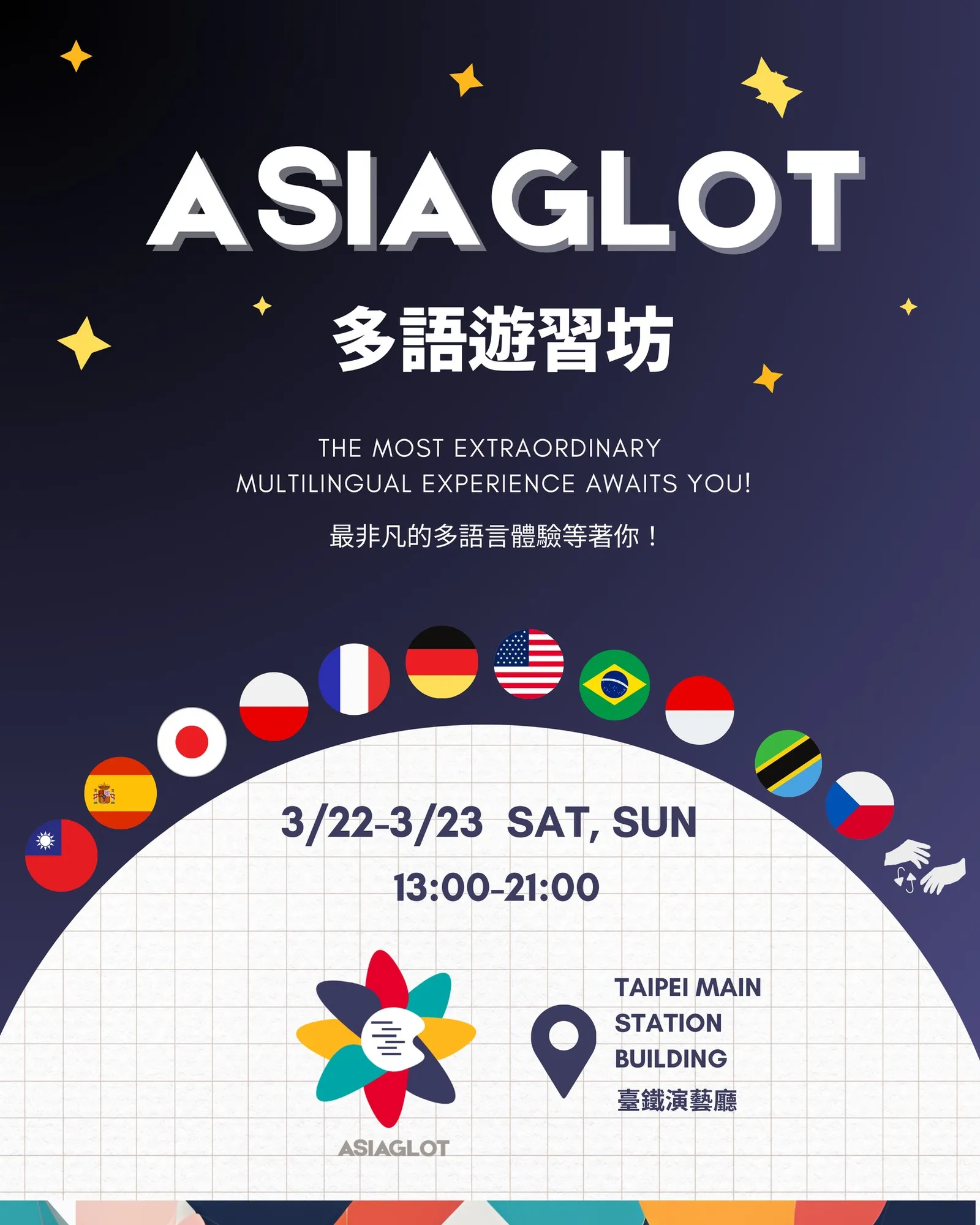
I first met Clement in Taiwan a year ago after he attended a group language exchange session I organised.
He’s since gone on to use many of the methods we recommend on this podcast, including sentence mining and tone training and, as you’ll soon hear, has achieved an outstanding level of pronunciation and spoken fluency within just two years of learning.
As usual, you can find a Chinese transcript for this episode along with an English translation below.
If you like this episode please don’t forget to leave a five-star rating on your favoured podcast provider. And if you’re listening on Apple Podcasts you can also leave a review.
Now over to Clement.
Chinese Transcript
大家好,我叫Clem,来自法国,我的中文名字是明博,也就是明天的明,广博的博,我今年二十八岁。我先想跟大家分享一下,我学中文的这个经历是怎么样的,还有我去中国成都的那些有意思的经历。
首先,中文这门语言呢我已经自学了两年了,我刚开始的时候我觉得中文非常难学,发音经常都发不出来, 汉字也特别难辨识,还有各种各样挑战。但我没有放弃。我鼓起勇气地走出了自己的舒适区。经常听播客、跟华人交往、聊天等等。
我一直认为如果你想学某一门语言的话,最重要的就是创建语言环境。我现在还在学中文。虽然我没有以前那么努力。但我每天还会抽出一段时间去复习词汇、听播客或者看电视剧,然后把一些生词抄下来。
因为我老婆是一个中国人,来自四川成都,我经常有机会跟她聊天,把中文里面的一些俗语给学起来。说到四川呢,我现在想跟大家分享一下,我第一次去成都,也就是今年过年的时候,是什么样的感受?
首先去年年底,中国政府为法国人出台了一个新政策,作为法国人,我们现在可以免签十五天来中国旅行,一听见这个消息我就迫不及待地买了机票。
到成都的天府机场的时候我大吃一惊,这个机场非常庞大,当时自己觉得啊都进入到了一个新世界。那个时候我十分激动,到处都是中国人,跟他们用中文打个招呼或者聊天的机会可太多了。可能因为我是个老外,所以大家对我都很好奇,也很友好、很热情。
如果你有机会去成都的话,你就会发现在那边有各种各样的美食,如果你喜欢吃辣的或者麻辣的东西,我可以给你推荐以下的食物,麻婆豆腐啊、火锅啊、肥肠粉儿啊。还有一个我很喜欢吃的成都的特色小吃叫做军屯锅魁。它是一种饼,外面煎得很脆,里面很软,麻辣鲜香,好吃极了。
川菜对我来说, 是全中国最好吃的菜,还有那些当地的小餐厅。老板经常非常热情,也会笑脸相迎地给你做正宗的菜。但如果你对吃辣有点敏感的话,那你最好先跟服务员提早说一说。比如说在四川的小辣,这个辣度你可能会觉得还吃得来,不太辣。但其实它已经超过从西方国家来的大部分人吃辣的极限。
还有呢,成都这个城市那么流行的另外一个原因,是它的熊猫基地。我去的时候,人山人海。过年期间成都有很多来自全国各地的游客
最后呢,四川方言让我印象深刻,多数情况下,当地人会用四川方言来沟通,而不是普通话。我本来没有想到,在中国的一个省份里面,说方言还会那么普遍。
即使很多人都会说普通话,但有一些人的口音有点重。因此你可能听不懂。
好在四川话跟普通话有着同样的根源,所以呢,如果你已经把中文学好了的话,听四川话你应该不会觉得那么难懂。
那这一期播客就到这里了。如果大家想联系我的话,可以在imlearningmandarin.com 留下评论。也可以在播客简介处找到我的推特账号。
English Transcript
Hello everyone, my name is Clem. I’m from France and my Chinese name is Mingbo, which means “bright” from “tomorrow” and “extensive” from “broad.” I am 28 years old.
I want to share with you my experience of learning Chinese and some interesting experiences I had in Chengdu, China.
First of all, I have been self-studying Chinese for two years. When I first started, I found Chinese very difficult to learn. The pronunciation was often hard to get right, and the characters were especially difficult to recognize.
There were all kinds of challenges, but I didn’t give up. I gathered my courage and stepped out of my comfort zone, often listening to podcasts, interacting and chatting with Chinese people.
I have always believed that if you want to learn a language, the most important thing is to create a language environment. I am still learning Chinese. Although I’m not as diligent as before, I still take some time every day to review vocabulary, listen to podcasts, or watch TV dramas, and then write down some new words.
Since my wife is Chinese and from Chengdu, Sichuan, I often have the opportunity to chat with her and learn some Chinese idioms. Speaking of Sichuan, I now want to share with you my first trip to Chengdu, which was during the Chinese New Year this year.
First of all, at the end of last year, the Chinese government introduced a new policy allowing French citizens to travel to China visa-free for fifteen days. As soon as I heard this news, I couldn’t wait to buy a plane ticket.
When I arrived at Tianfu Airport in Chengdu, I was amazed. The airport is enormous, and I felt like I had entered a new world. I was very excited at the time; there were Chinese people everywhere, and I had plenty of opportunities to greet or chat with them in Chinese. Maybe because I’m a foreigner, everyone was very curious about me, and they were very friendly and enthusiastic.
If you have a chance to go to Chengdu, you will find all kinds of delicious food there. If you like spicy or “numbing-spicy” food, I can recommend some dishes like Mapo Tofu, Hot Pot, and Feichang Fen (pork intestine noodles).
There’s also a local Chengdu snack I really like called Juntong Guokui. It’s a type of bread that’s crispy on the outside, soft on the inside, and spicy and delicious.
To me, Sichuan cuisine is the best in China, along with those small local restaurants. The owners are usually very warm and will greet you with a smile and make authentic dishes.
But if you are sensitive to spicy food, it’s best to mention it to the server in advance. For example, Sichuan’s “mild” level of spiciness might still be quite intense for most people from Western countries.
Another reason Chengdu is so popular is its panda sanctuaries. When I visited, it was crowded. During the Chinese New Year, Chengdu attracts many tourists from all over the country.
Lastly, the Sichuan dialect left a deep impression on me. In most cases, locals communicate in Sichuanese rather than Mandarin. I didn’t expect that a province in China would still have such widespread use of its local dialect.
Even though many people can speak Mandarin, some have a strong accent, so you might not understand them.
Fortunately, Sichuanese and Mandarin share the same roots, so if you have learned Mandarin well, you shouldn’t find Sichuanese too difficult to understand.
That’s it for this podcast. If you want to contact me, you can leave a comment at imlearningmandarin.com.
That’s all for this podcast episode. If you want to contact me, you can leave a comment below or find me in the podcast description section. You can also follow me on Twitter!