*This podcast is available on Apple, Spotify and Google
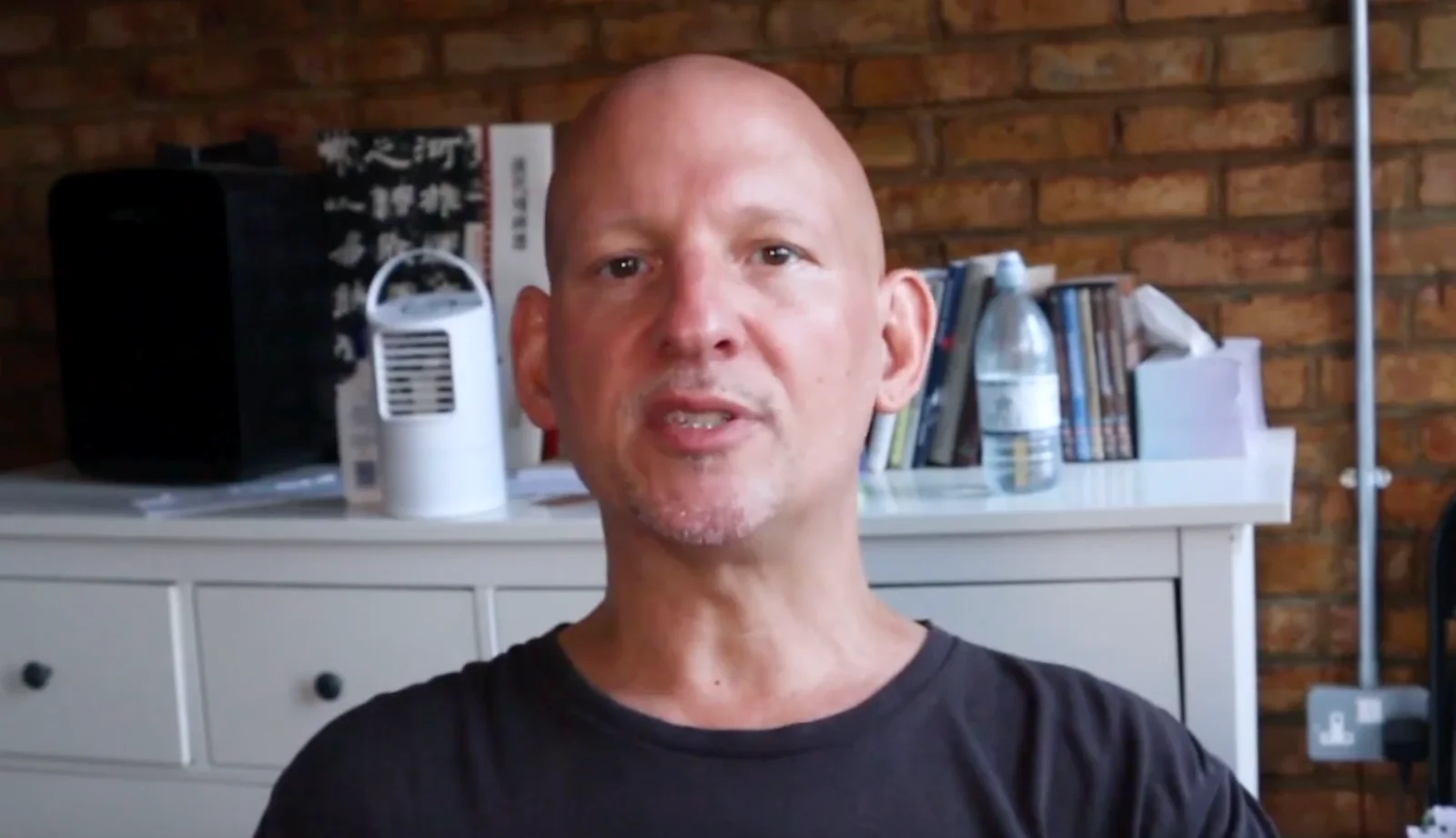
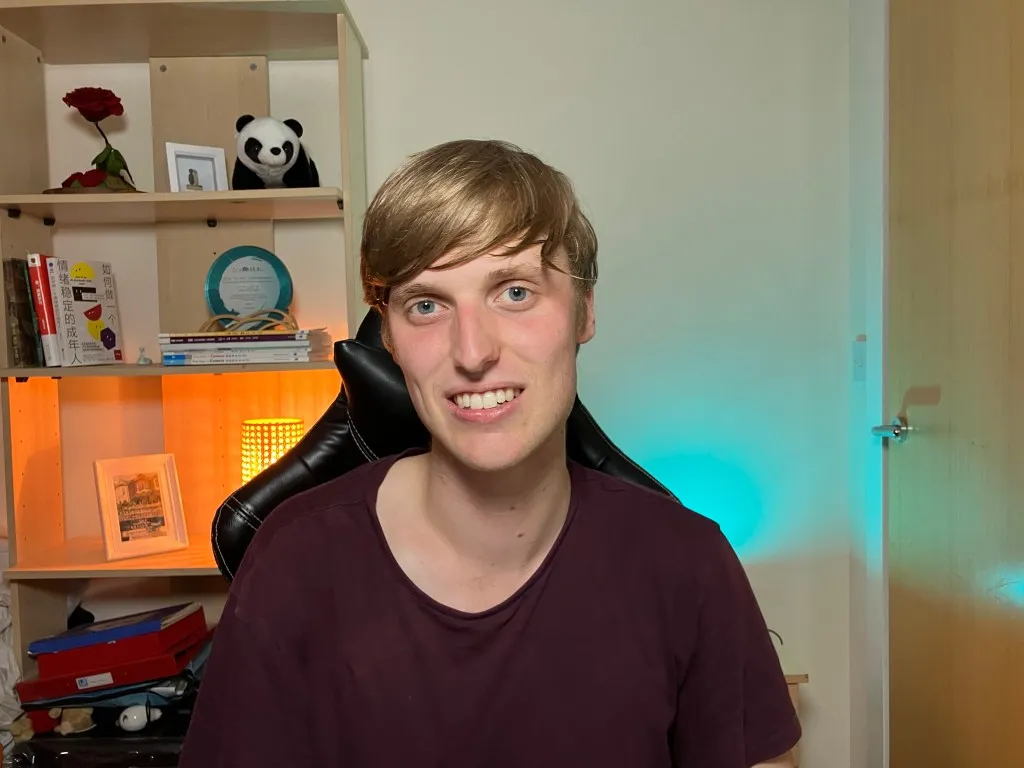
Today’s podcast episode features a Chinese learning superstar who should need no introduction.
Will Hart, created waves in the Mandarin learning community when he reached an incredible level of fluency in just 1.5 years while living in the UK during the Covid pandemic.
In today’s episode, Will talks in Mandarin about his recent attempts to learn Spanish using similar methods to the ones that previously worked so well for him.
As usual, you can follow along with a transcript below, as well as an English translation.
And if you like this podcast, please don’t forget to subscribe to your favourite podcast provider.
Now on to Will’s Spanish learning adventures!
Chinese Transcript
各位听众朋友们大家好,我是何威。欢迎来到这期‘我在学中文’播客节目。今天这期我想跟大家分享一下学习西语的经验,并跟大家分析一下学中文和学西语有什么不一样的地方。最后,我会跟大家说一说我这几个月的心得跟收获。好,那就废话不多说,就进入到主题啦。
开始之前,得说一下我学西语的背景,这样的话咱们就可以按时间线来说哈。我上初中的时候学过5年的西语,那个时候呀,主要的学习方式就是疯狂地做练习题和死记硬背语法规则。结果呢,花了五年的时间,到头来还是哑巴西语。
唯一能说的一句话就是 我能不能脱一下外套, 很明显这就是应试教育的问题。其实,我都不好意思跟你们说这事,还挺丢脸的,但同时这也侧面地证明了我学习中文是靠有效的学习方法,而并非是靠自己的天赋 之类的。
大概去年九月份的时候,我下定决心要重新开始学西班牙语了。我当时的想法就是既然我连中文都能学会,那学西语不就是小菜一碟嘛,结果事实是恰好相反,我怎么学都学不会。过了几个月的时间我就放弃了。后来,跨年的时候又冒出了学西语的念头,毕竟我不想轻易放弃嘛。这次我坚持住了,至少到目前为止还在坚持每天学。
那我为什么去年放弃了呢,又为什么今年能坚持下去呢?这就是今天主要想分享的内容。我一共总结了三个点来回答这两个问题。首先,语法。很明显,西语的语法比中文的复杂多了,所以对于我来说西语语法就是一个完全新的几乎从来没有面对过的挑战。
一开始,我还尝试了背什么动词变形啊,时态啊 之类的。但我跨年之后重新开始学的时候就突然意识到了效果并不是最理想的,而且我也觉得挺无聊的。所以我就换了一套方法,不学语法了 而开始学西语的句型和词组。后来,很快就发现,虽然表面上西语的语法特别复杂,但其实它像中文一样有句型有词组有固定搭配 等等。
我发现只要能掌握这些后,就没有太多必要刻意地去学语法规则。 其次,练口语。我自从学中文的第一天到现在每天都练口语,原因很简单,练口语又好玩,又可以加强对最近学的东西的记忆。不过刚开始学西语的时候,练口语非常尴尬,因为我每次开口磕磕巴巴的,根本没办法表达自己。
在学中文的时候也有过同样的问题却从来没有在乎过,但在说西语的时候我越说越自卑。所以跨年之后我决定不用着急去练口语,先打好基础,多输入并在语境中多学一些自己觉得有用的表达,然后再去练口语。
前两天我尝试跟我朋友说西语,然后把我俩都给吓到了,因为他跟我说我现在的进步已经可以达到了中级水平的对话,我自己也很诧异,我竟然也没像之前那么磕磕巴巴的。果然这几个月努力没有白费。
我又找回了那种非常享受练口语的感觉。 最后养成良好的习惯。我一开始失败可能是因为我没有养成良好习惯的原因,我一开始学西语就是断断续续的,也没有一个固定的学习时间。
现在我已经有两三个比较简单的习惯可以提高我每天学西语的效率,比如看油管上的视频,记一下有用的例句,词组,固定搭配,句型 等等,还有就是每天用anki进行间隔复习系统给我安排的卡片。
我怕这期会有点太长了,所以稍微总结一下咱们就结束哈。以上就是我从中得到的心得跟收获,现在要给大家三个简单的建议。首先,除非你真的对语法比较感兴趣,不然的话不用花太多时间在学语法上面,当然花一点时间去了解最基本的规则跟结构也没问题。
其次,不要一直拖练口语。很多人都有一种幻想就是说总有一天自己会感觉到已经准备好去练口语,但实际上来说这不太可能,多多少少都得逼着自己去练。 最后呢,你也不能是另一种极端,就疯狂练口语。
咱不能啥都表达不出来的时候,就逼着自己去疯狂地练口语,不然你的下场很有可能会跟我刚开始学西语一样,就是陷入到越练越自卑的恶性循环。好,咱们今天就聊到这儿,那就是这期播客节目的完整内容,希望对大家有帮助,咱们下次再见,拜拜。
English Transcript
Hello everyone, I’m He Wei. Welcome to this episode of the “I’m Learning Chinese” podcast. Today, I want to share my experiences of learning Spanish and analyze the differences between learning Chinese and Spanish. Finally, I’ll talk about my insights and achievements over the past few months. So, without further ado, let’s get into it.
Before we begin, I should mention my background in learning Spanish, so we can go through this chronologically. I studied Spanish for five years in middle school. At that time, the main learning method was to practice a lot of exercises and memorize grammar rules. After five years, I ended up with very limited speaking ability.
The only sentence I could say was “Can I take off my jacket?” This clearly illustrates the problem with exam-oriented education. Honestly, I’m a bit embarrassed to share this, but it also indirectly proves that my success in learning Chinese is due to effective learning methods, not some innate talent.
Around September last year, I decided to start learning Spanish again. My thought process was that if I could learn Chinese, then Spanish should be a piece of cake. However, the reality was quite the opposite; I couldn’t make any progress no matter how hard I tried.
After a few months, I gave up. Then, around New Year’s, the idea of learning Spanish resurfaced. After all, I didn’t want to give up easily. This time, I’ve managed to stick with it, at least up to now, I’m still learning Spanish every day.
So why did I give up last year and why am I able to stick with it this year? This is the main content I want to share today. I’ve summarized three points to answer these questions. Firstly, grammar.
Obviously, Spanish grammar is much more complex than Chinese grammar. For me, Spanish grammar was a completely new challenge that I had never faced before. At first, I tried to memorize verb conjugations, tenses, and so on.
But after restarting my studies around New Year’s, I realized that this approach wasn’t very effective and I found it quite boring. So, I switched methods and started learning Spanish sentence structures and phrases instead.
I quickly found that although Spanish grammar seems very complicated on the surface, it actually has sentence patterns, phrases, fixed expressions, and so on, just like Chinese. Once I mastered these, there was no need to deliberately study grammar rules.
Secondly, speaking practice. From the first day I started learning Chinese, I’ve practiced speaking every day. The reason is simple: practicing speaking is fun and reinforces what I’ve recently learned.
However, when I started learning Spanish, speaking practice was very awkward because I couldn’t express myself and stumbled over my words. I had the same problem when learning Chinese but never cared about it.
But when speaking Spanish, I became increasingly self-conscious. So, after New Year’s, I decided not to rush into speaking practice. I focused on building a solid foundation, absorbing more input, and learning useful expressions in context before practicing speaking.
A few days ago, I tried speaking Spanish with my friend and surprised both of us. He told me that I had reached an intermediate level of conversation. I was astonished because I wasn’t stumbling as much as before.
Clearly, these months of hard work paid off, and I regained the joy of speaking practice. Finally, developing good habits. My initial failure might be due to not developing good habits. My early Spanish learning was sporadic, with no fixed study time.
Now, I have a few simple habits that improve my daily Spanish learning efficiency, such as watching YouTube videos, noting useful example sentences, phrases, fixed expressions, and sentence patterns, and using Anki for spaced repetition of flashcards every day.
I fear this episode might be too long, so I’ll summarize briefly and wrap up. These are the insights and achievements I’ve gained, and now I have three simple suggestions for everyone. First, unless you’re really interested in grammar, don’t spend too much time on it.
Of course, it’s fine to spend some time understanding the basic rules and structures. Second, don’t procrastinate on speaking practice. Many people have the illusion that they’ll feel ready to practice speaking one day, but in reality, that’s unlikely. You have to push yourself to practice, even just a little.
Finally, avoid the other extreme of obsessively practicing speaking. Forcing yourself to practice speaking when you can’t express anything can lead to a vicious cycle of self-doubt, like I experienced when I first started learning Spanish.
Alright, that’s it for today’s discussion. This is the complete content of this podcast episode. I hope it helps you all. See you next time, bye-bye.