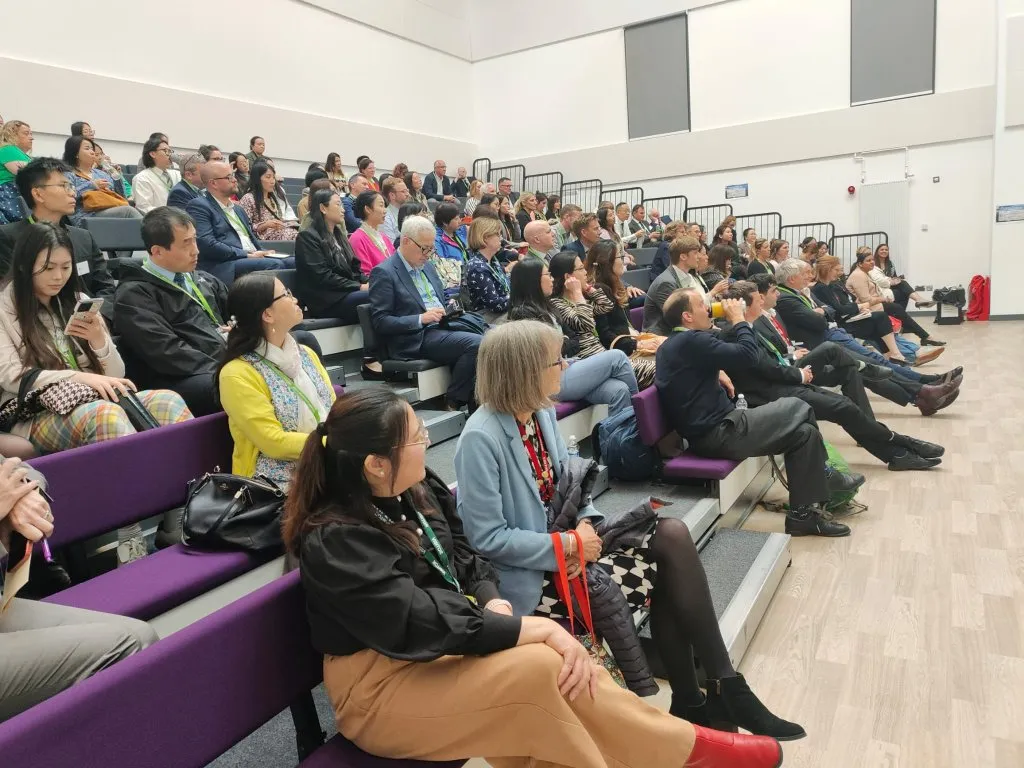
Last week I attended the annual Swire Chinese Language Conference in Birmingham as a keynote speaker. Organised by the Swire Chinese Language Foundation, the event provides a valuable forum for Mandarin educators and teachers at schools around the UK to discuss Mandarin teaching approaches and hear testimonies from pupils.
In my speech, I shared my experiences as an independent Mandarin learner and discussed effective learning strategies I teach my students. In the afternoon I delivered a workshop on sentence mining for Chinese teachers.
The conference was a thoroughly enjoyable and eye-opening experience. At a time of uncertainty over the future of Mandarin education, it was great to share a room with so many passionate teachers, educators, and pupils. In this post, I share five key things I learned from attending and taking part.
1. Mandarin Schoolteachers are Refreshingly Open to New Ideas
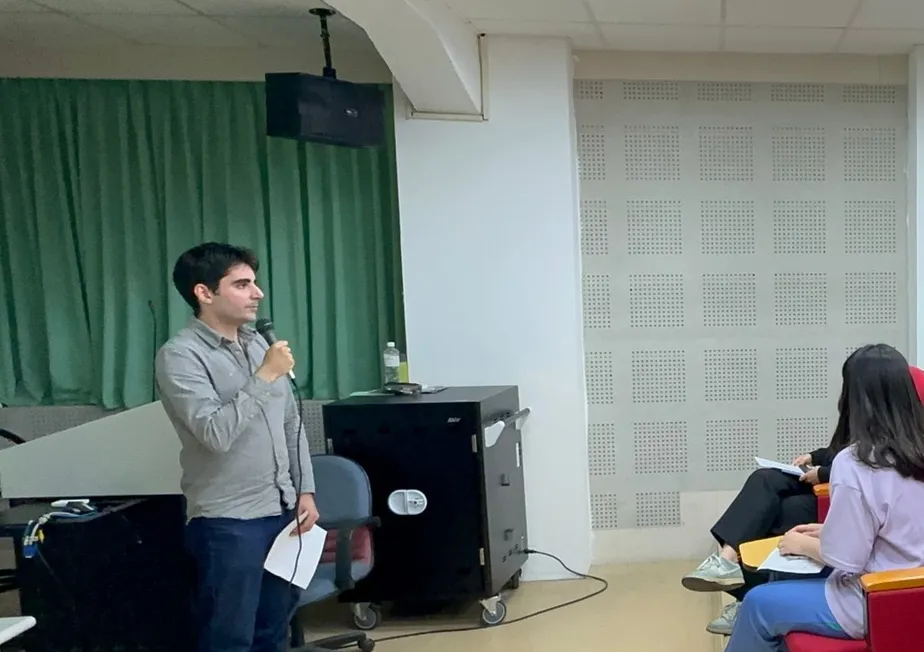
In my speech, I introduced the concept of “micro-fluency.” Many successful Mandarin speakers I’ve interviewed focused on mastering a relatively small number of words first - learning to express themselves eloquently using a narrow range of vocab (micro-fluency) - before gradually expanding their vocab size to cover other topics.
This is harder to achieve if pupils are under continuous pressure to cram word lists for tests. They end up memorising thousands of words but lack any sense of how to use them to form natural sentences. Fortunately, the teachers I met at the conference were refreshingly open-minded about incorporating “micro-fluency” into their classrooms as well as sentence-mining methods for effective knowledge retention.
2. The Swire Chinese Language Foundation Is Doing Incredible Work
The Swire Chinese Language Foundation is an initiative launched by the Swire Group eight years ago to support and promote Mandarin teaching in the UK. The foundation provides funding to schools to help integrate Mandarin language programs into their curricula and organises activities that expose students to Chinese culture.
Since its launch, the foundation has supported the teaching of Chinese to 22,936 pupils, 25% of whom are from disadvantaged backgrounds. As a result, 600 pupils have gone on trips to China and dozens have gone on to take Chinese studies at University. The event was full of testimonies from pupils of all ages who had reaped the rewards of these Swire-backed trips and initiatives.
3. Pupils are Open to Learning Chinese but Often Feel Overburdened
One of the most interesting talks at the conference was delivered by Dr Robert Woore and Dr Laura Molway of the University of Oxford. Their presentation was on research conducted into the motivations of Mandarin learners at schools in the UK and included testimonies from pupils sharing their experiences.
One quote that caught my attention was from a pupil who had been keen to learn but felt overloaded with too much information all at once. In my keynote, I suggested this could be addressed by teaching pronunciation first. Allow learners to get comfortable with pinyin, tones, initials, and finals before taking on the challenge of characters and new vocabulary. If they are fed everything at the same time many are likely to feel overwhelmed and discouraged.

4. Ex-Pupils Report that Mandarin Opens Doors
The conference included a panel of insightful pupils and ex-pupils who shared the impact that learning Chinese had had on their lives. The panelists ranged from secondary school to university age and offered diverse perspectives on the benefits of Mandarin study.
Several pupils had gone on to study Chinese at leading universities, both in the UK and China, while others were continuing their studies towards GCSE and A-level. Those who had already left school were keen to stress that knowledge of Mandarin had presented them with opportunities for study, travel, and work that they would not otherwise have benefited from.

5. Independent Learners and Schoolteachers Should Collaborate More Often!
I didn’t enjoy learning languages at school. In fact, one of my motivations for starting this blog was to encourage others like me to become independent language learners without relying on the classroom. But the undeniable fact is that schools and teachers play a critical role in introducing young people to foreign languages for the first time. Teachers have tremendous power to positively shape pupils’ attitudes to learning Mandarin.
Equally, as I’ve documented on this blog, in recent years independent learners and startups have rewritten the script for how to learn and teach foreign languages. By sharing our experiences with teachers, I hope we can help ensure pupils’ formative experiences of Mandarin study are positive and inspire the next generation to reap the benefits of this beautiful language. To quote the conference’s motto: 同心协力(work together with one heart!)